Understanding Equivalent Fractions: A Focus on 2/5
Fractions are an essential part of mathematics, representing parts of a whole. They consist of a numerator and a denominator, which indicate how many parts we have and how many parts make up a whole, respectively. Understanding fractions is crucial for various applications in everyday life, from cooking to budgeting. One important concept within fractions is that of equivalent fractions, which allows us to express the same value in different ways.
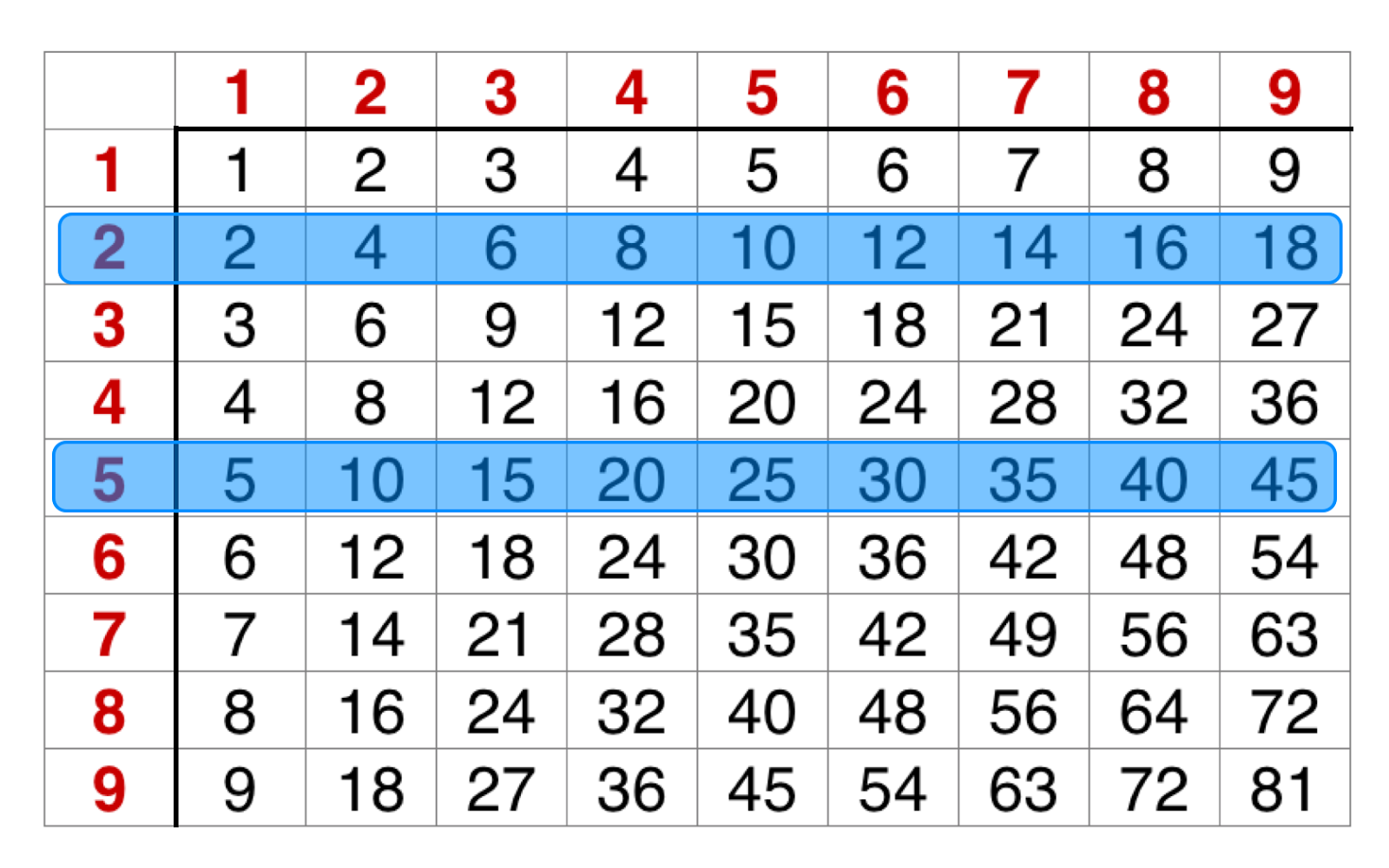
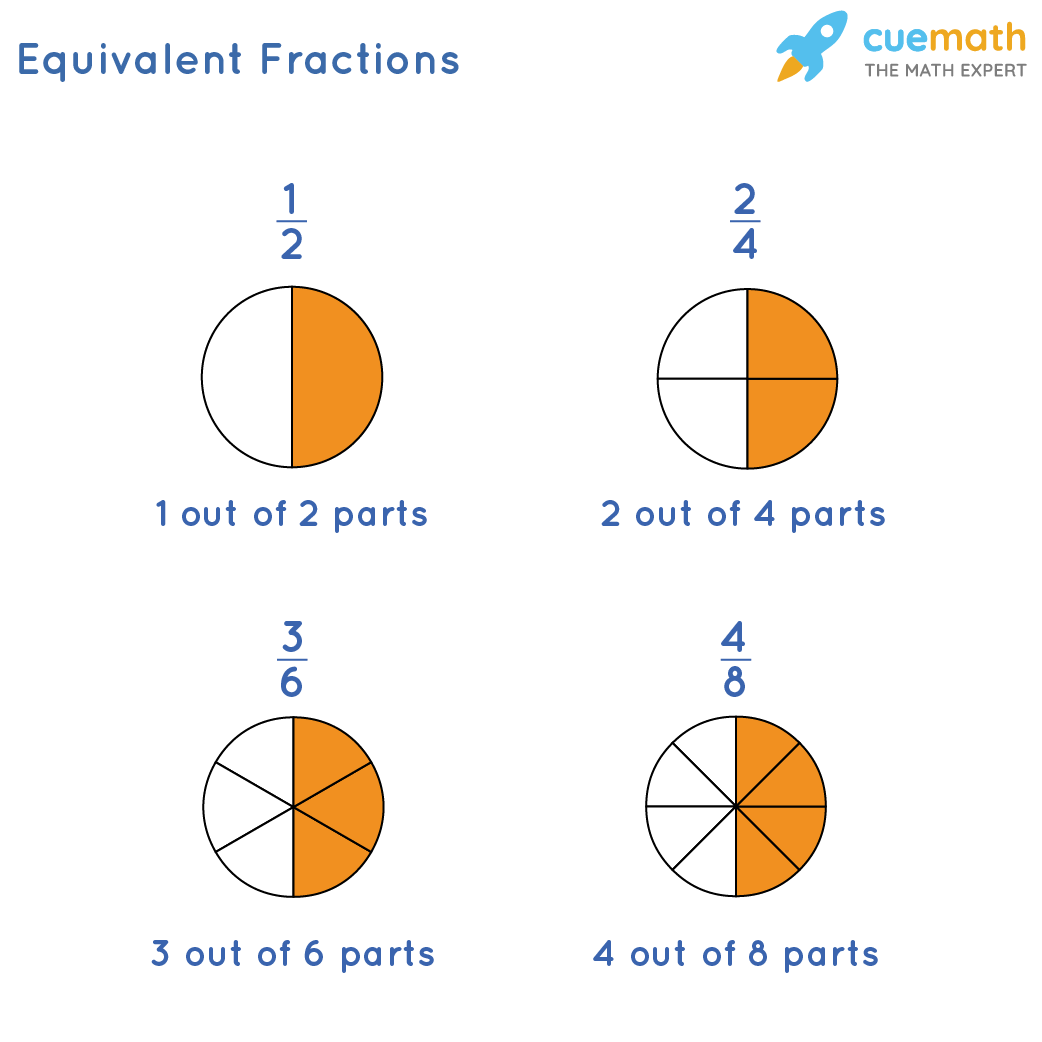
Equivalent fractions are fractions that may look different but represent the same value or proportion. For example, the fraction 2/5 can be expressed in multiple forms while maintaining its value. This concept is not only fundamental in mathematics but also helps in simplifying problems and making calculations easier. By grasping the idea of equivalent fractions, students can enhance their understanding of fractions as a whole.
What is an Equivalent Fraction for 2/5?
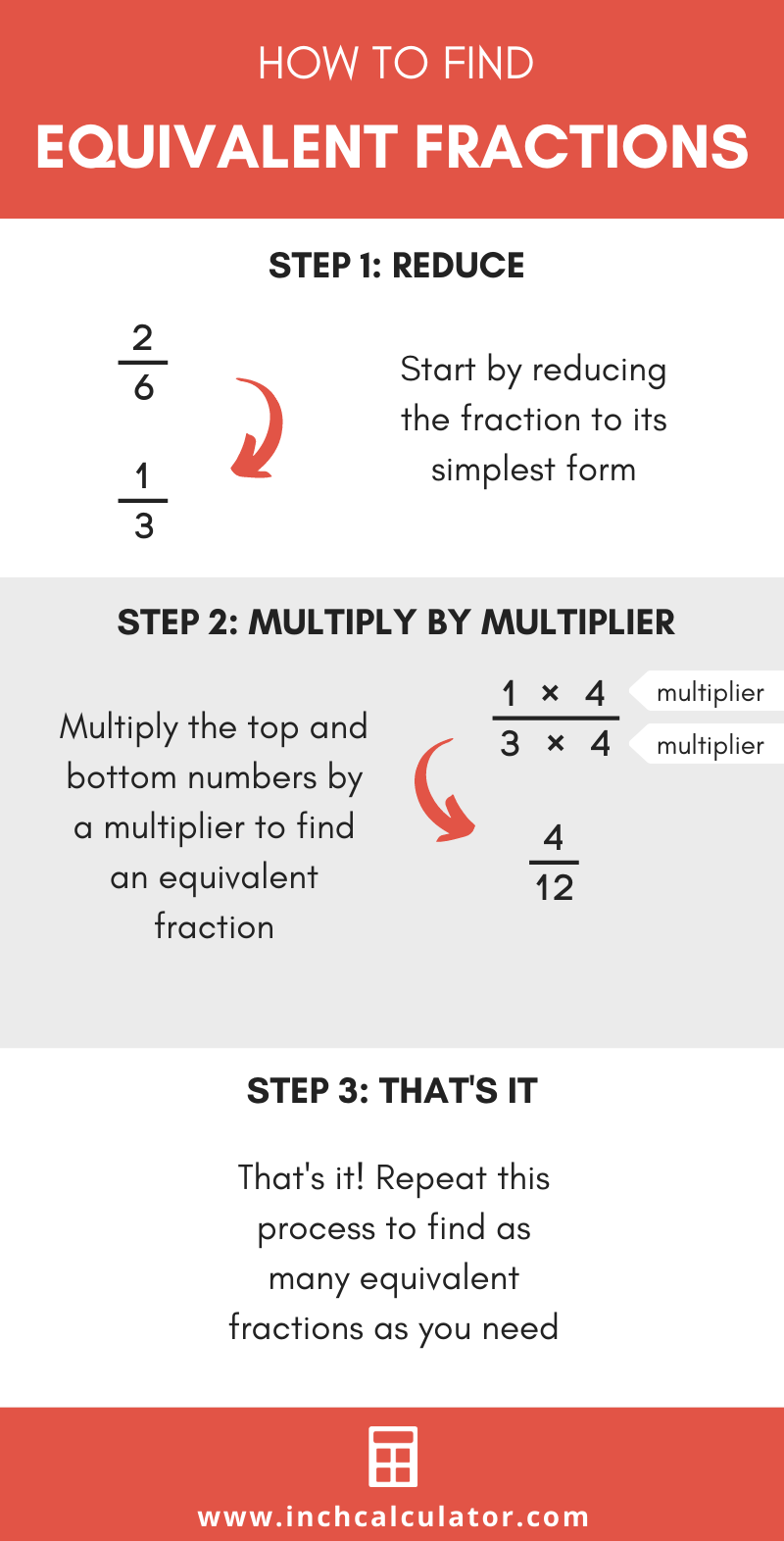
To find equivalent fractions for 2/5, we can multiply both the numerator and the denominator by the same non-zero integer. This method ensures that the value of the fraction remains unchanged. For instance, if we multiply both the numerator (2) and the denominator (5) by 2, we get:
- 2 × 2 = 4
- 5 × 2 = 10
This gives us the equivalent fraction of 4/10. Similarly, if we multiply by 3:
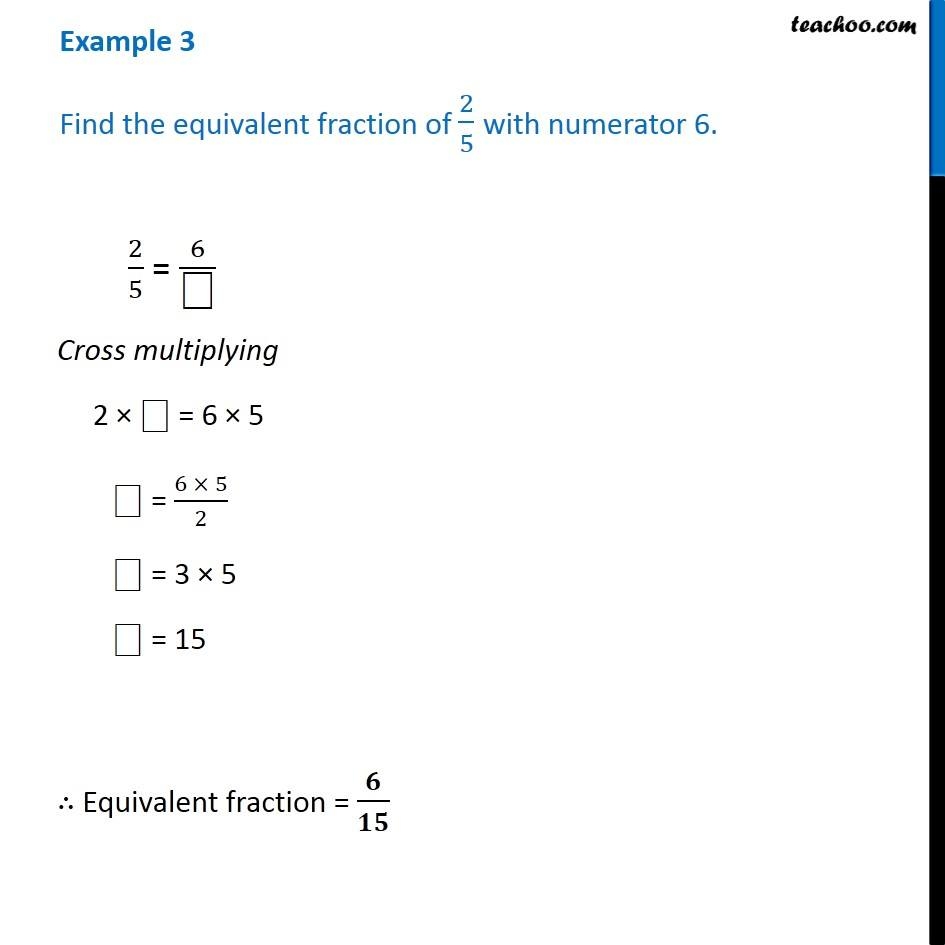
- 2 × 3 = 6
- 5 × 3 = 15
This results in another equivalent fraction: 6/15. The process can continue indefinitely, allowing for numerous equivalent fractions to be derived from the original fraction.
Another way to find equivalent fractions is by dividing both the numerator and denominator by a common factor. For example, if we take the fraction 4/10 and divide both numbers by 2:
- 4 ÷ 2 = 2
- 10 ÷ 2 = 5
This brings us back to our original fraction of 2/5, illustrating that equivalent fractions can also be simplified.
Understanding equivalent fractions is particularly useful when performing operations such as addition or subtraction with fractions. By converting fractions to their equivalent forms with a common denominator, calculations become more manageable. This skill is invaluable in both academic settings and real-life scenarios where precise measurements are required.
In conclusion, equivalent fractions play a vital role in understanding and working with fractions effectively. The fraction 2/5 can be represented in various ways while maintaining its value, such as 4/10 or 6/15. Mastering this concept not only enhances mathematical skills but also builds confidence in handling more complex mathematical problems.
Download and Print what is a equivalent fraction for 2/5 Listed below